
Compare 1:18, 1:24, 1:43, and 1:64 diecast model sizes, calculate display length, and browse the right scale for your collection.
Scale tells you the relationship between a model and the full-size vehicle it represents. In a 1:18 model, one unit of length on the model represents 18 of the same units on the vehicle. Mattel describes 1:64 the same way: the model is one sixty-fourth the size of the actual vehicle.
That makes the denominator a quick comparison tool. For models of the same vehicle, 1:18 is larger than 1:24, which is larger than 1:43, which is larger than 1:64.
Why scale matters to collectors
Scale shapes the entire collecting experience: how much detail can be shown, how many models fit in a display, and whether releases from different makers look coherent together. A collector building a compact wall of 1:64 cars has a different display and buying goal from someone choosing one detailed 1:18 centerpiece.
Manufacturer series add another layer. Mattel describes its Premium 1:64 releases as collector vehicles with realistic details, licensed replicas, and premium packaging. New-Ray groups models into product families such as City Cruiser, Road / Dirt Rider, and X'treme Adventure. That combination of scale, subject, series, item number, and packaging—not scale alone—distinguishes a collectible release.
How to calculate a model's approximate length
Divide the full-size vehicle's length by the scale denominator:
model length = full-size length ÷ scale denominator
For a hypothetical vehicle that is 4.5 meters long, first express the length as 4,500 millimeters. The estimates are:
- 1:18: 4,500 mm ÷ 18 = 250 mm, or approximately 9.8 inches.
- 1:24: 4,500 mm ÷ 24 = 187.5 mm, or approximately 7.4 inches.
- 1:43: 4,500 mm ÷ 43 = 104.7 mm, or approximately 4.1 inches.
- 1:64: 4,500 mm ÷ 64 = 70.3 mm, or approximately 2.8 inches.
The inch values use the exact NIST conversion of 25.4 millimeters per inch and are rounded to one decimal place. These figures describe the same hypothetical vehicle at four scales; they are not the packaged dimensions of a particular model.
What each scale means in practice
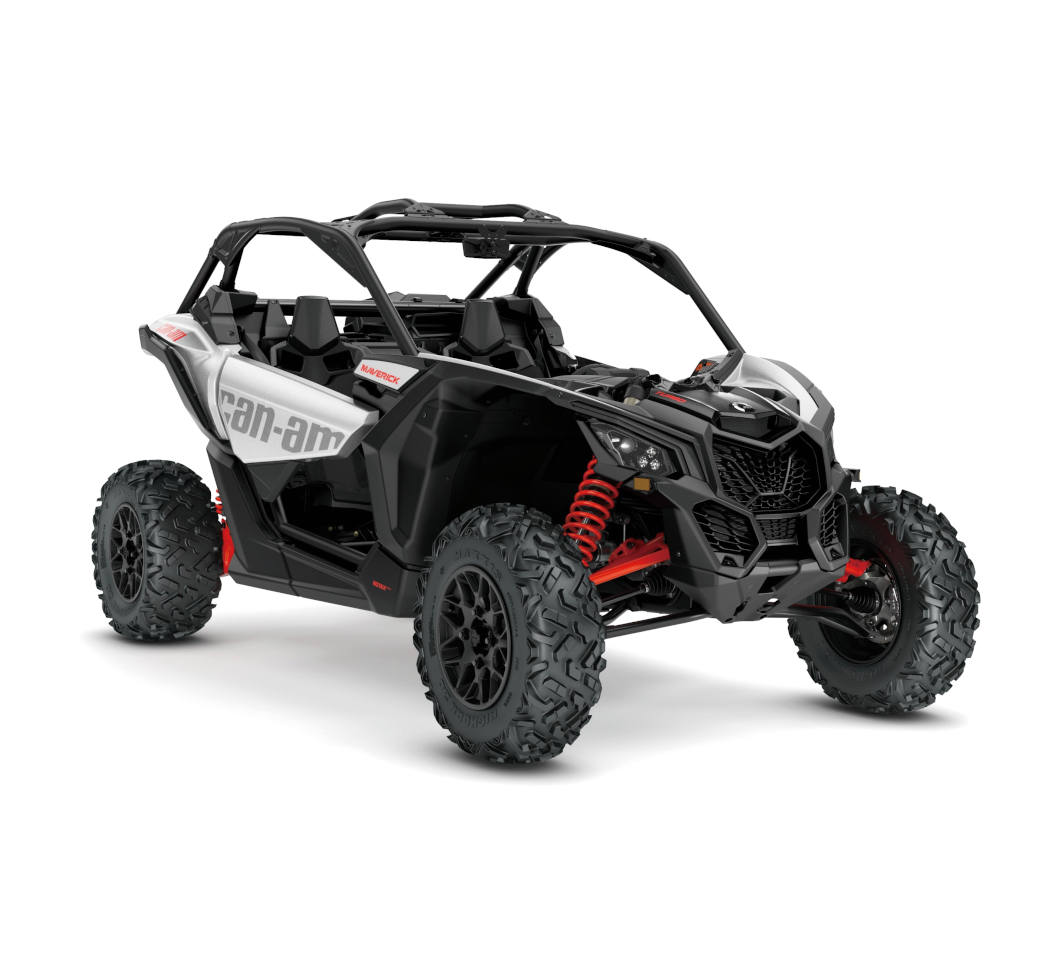
1:18
A 1:18 model represents each 18 units of the full-size vehicle with one unit on the model. Our 4.5-meter example is approximately 250 millimeters, or 9.8 inches, long.
1:24
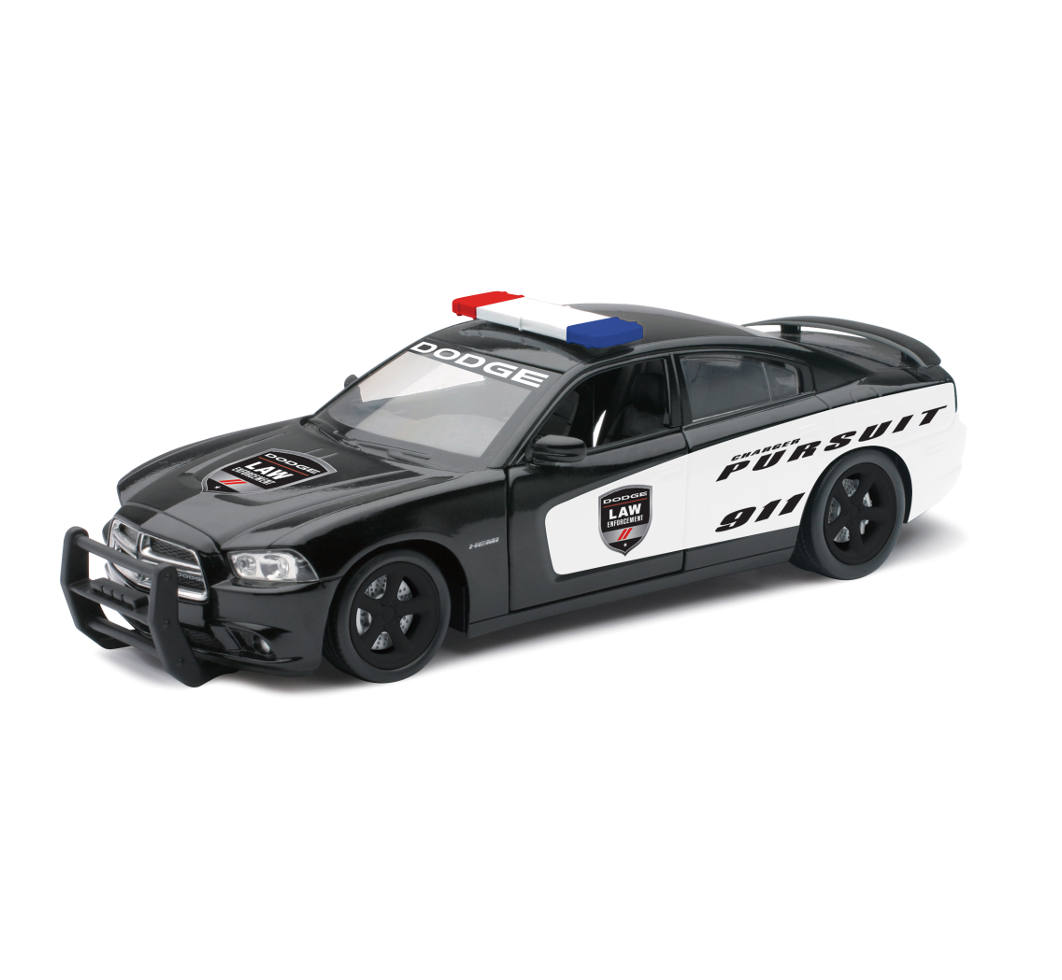
A 1:24 model represents each 24 units with one unit on the model. The example is approximately 187.5 millimeters, or 7.4 inches, long.
1:43
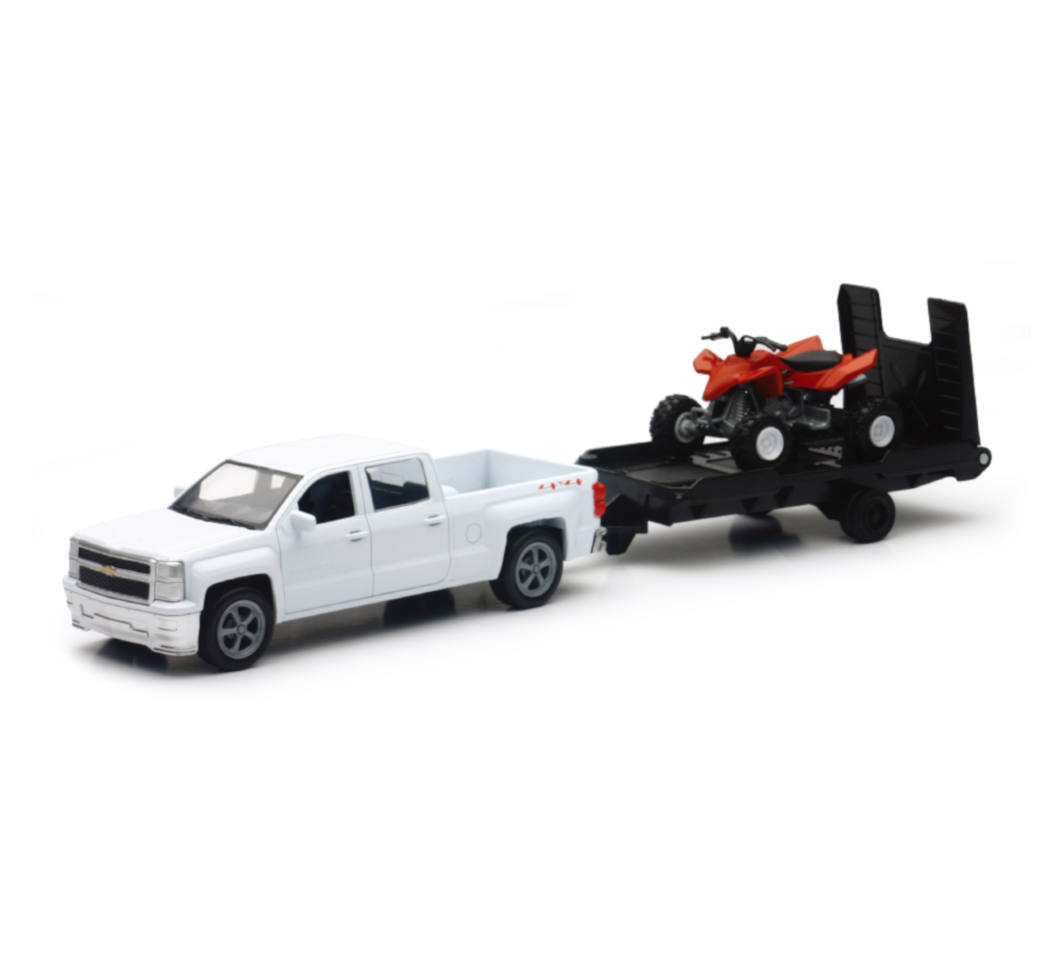
A 1:43 model represents each 43 units with one unit on the model. The example is approximately 104.7 millimeters, or 4.1 inches, long.
1:64
A 1:64 model represents each 64 units with one unit on the model. The example is approximately 70.3 millimeters, or 2.8 inches, long.
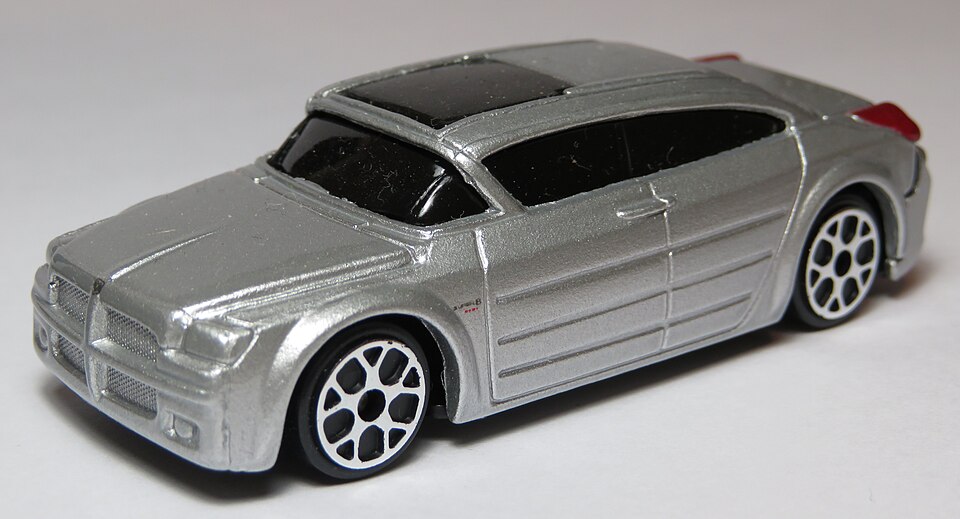
Official manufacturer pages show products labeled at these scales: New-Ray publishes examples at 1:18, 1:24, and 1:43, while Mattel publishes 1:64 vehicles. Those labels identify the intended scale; they do not mean every model at a given scale has the same length, because full-size vehicles have different dimensions.
Official source snapshot
The linked New-Ray pages show how scale works alongside stable release identifiers:
- 1:18 Can-Am Maverick X3: item 58193A, UPC 093577581935, dated November 11, 2020.
- 1:24 Dodge Charger Pursuit Police: item 71903, UPC 093577719031, die-cast metal, dated August 31, 2016.
- 1:43 Chevrolet Silverado with ATV: item 19535B, UPC 093577195354, dated February 2, 2024.
These are manufacturer-listed examples, not claims that every model at the same scale shares their materials, release date, or product format.
Choose a scale for your display space
Start with the actual vehicle represented by the model, then use its full-size length and the formula above for an estimate. Before purchasing, compare the manufacturer's listed product or package dimensions with all three dimensions of your shelf, case, or drawer. Leave any clearance you want around the model as part of your own display plan.
When identifying a model you already own, size is one clue rather than a complete identification. Look for a printed scale, manufacturer name, item number, and vehicle name on the base or packaging, then compare those details with the manufacturer's record or our diecast model catalog.
Compare verified examples at each scale
- View a verified 1:18 New-Ray Can-Am model
- View a verified 1:24 New-Ray Dodge Charger model
- View a verified 1:43 New-Ray Chevrolet Silverado model
- View a documented 1:64 Maisto model
Each model record identifies its exact scale and source, so you can compare one documented release at a time. Check the record for any eligible retailer link. EverythingDiecast may earn a commission from eligible retailer links on those model pages at no added cost to you; this guide itself contains no affiliate links.
A quick rule to remember
For the same full-size subject, a smaller denominator produces a larger model. If you know the vehicle's real length, divide it by 18, 24, 43, or 64 to estimate the corresponding model length—using the same unit on both sides of the calculation.
Source details, specifications, prices, and availability can change; verify current information at the linked source before relying on it.
Collector questions answered
Use these concise answers with the source-backed method above; each phrase represents a distinct way collectors search for this topic.
diecast model scales
Scale is the ratio between miniature and real vehicle; a smaller denominator makes a larger model of the same subject.
diecast scale guide
Compare printed ratio, estimated model length, shelf space, and the actual subject vehicle before choosing a scale.
1 18 scale model cars
A 1:18 car is roughly one eighteenth of the real vehicle and commonly works as a large display centerpiece.
1 24 scale model cars
A 1:24 car balances visible detail with a smaller footprint than 1:18.
1 43 scale model cars
A 1:43 car is compact enough for broad collections and common among road and racing subjects.
1 64 scale model cars
A 1:64 car is approximately one sixty-fourth of the real vehicle and suits dense displays.
what scale is my diecast car
Check base and package first; otherwise divide real length by model length and label the result estimated.
Sources
- NIST SI Units – Length — accessed
- Mattel die-cast vehicles — accessed
- New-Ray 1:18 scale Can-Am Maverick X3 — accessed
- New-Ray 1:24 scale Dodge Charger Pursuit Police — accessed
- New-Ray 1:43 scale Chevrolet Silverado with ATV — accessed