
Photograph diecast model details that identify an exact release: base marks, wheels, paint, packaging, item numbers, and condition.
To photograph diecast model details for identification, think like an archivist rather than an advertiser. The goal is not one dramatic hero shot. It is a repeatable evidence set that lets another collector compare the body, base, wheels, paint, packaging, and identifiers without holding the model.
Photograph diecast model evidence in a fixed sequence
Start with eight orientation photographs: front three-quarter, rear three-quarter, left side, right side, front, rear, roof, and complete underside. Then add closeups of both wheel designs, the interior, engine bay or opening panels, and every package panel. Keep the whole model in frame before moving closer. Context prevents a molded part code from being mistaken for an item number.
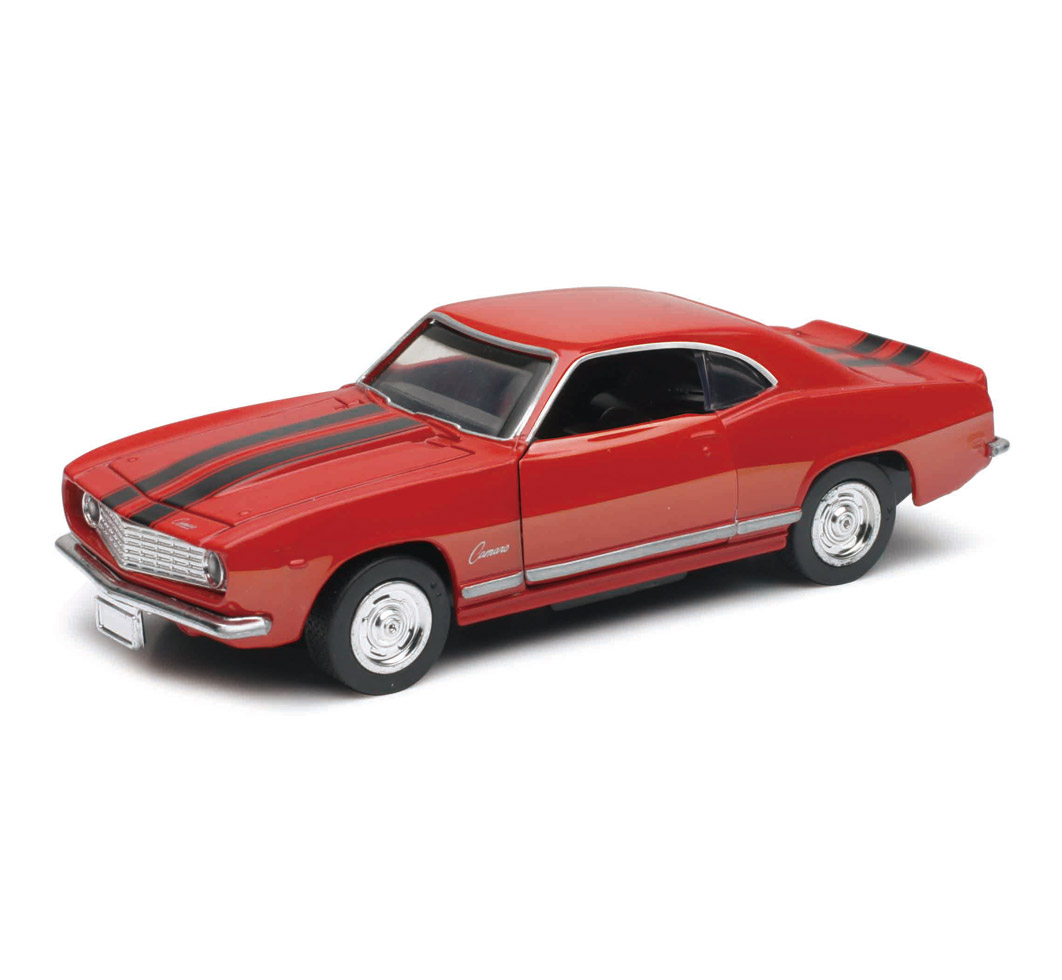
New-Ray's manufacturer record identifies this model as a 1969 Chevrolet Camaro Z28, 1:32 scale, item 50473B, UPC 093577504736. Those stable facts make it a useful control: your photographs should show enough evidence to test the catalog match, not merely show that the object is a red Camaro.
Use light that reveals evidence rather than hiding it
Place the model on a plain, non-reflective background near a large diffused light source. Use white card opposite the light to fill dark areas instead of aiming a harsh flash at paint and glazing. Reflections can erase fine tampo printing, while mixed room lighting can shift paint color. Photograph a neutral gray or white reference in the first frame when color differences matter.
Nikon's official macro guidance recommends a steady surface or tripod and explains that depth of field becomes shallow at close focus. For identification, favor enough depth of field to keep an entire base inscription or wheel face readable. Put the camera parallel to the flat evidence plane, focus on the lettering, use the self-timer or remote release, and zoom in during playback to confirm sharpness before changing the setup.
The underside is a map, not a verdict
Photograph the complete base straight-on, then make overlapping detail frames. Capture maker, vehicle name, country, scale, copyright line, molded numbers, stickers, screws, axle layout, and any owner-added marks. Transcribe exactly, including leading zeroes and letter suffixes. A base copyright date may refer to tooling, so do not convert it into a diecast release year without a dated manufacturer or package source.
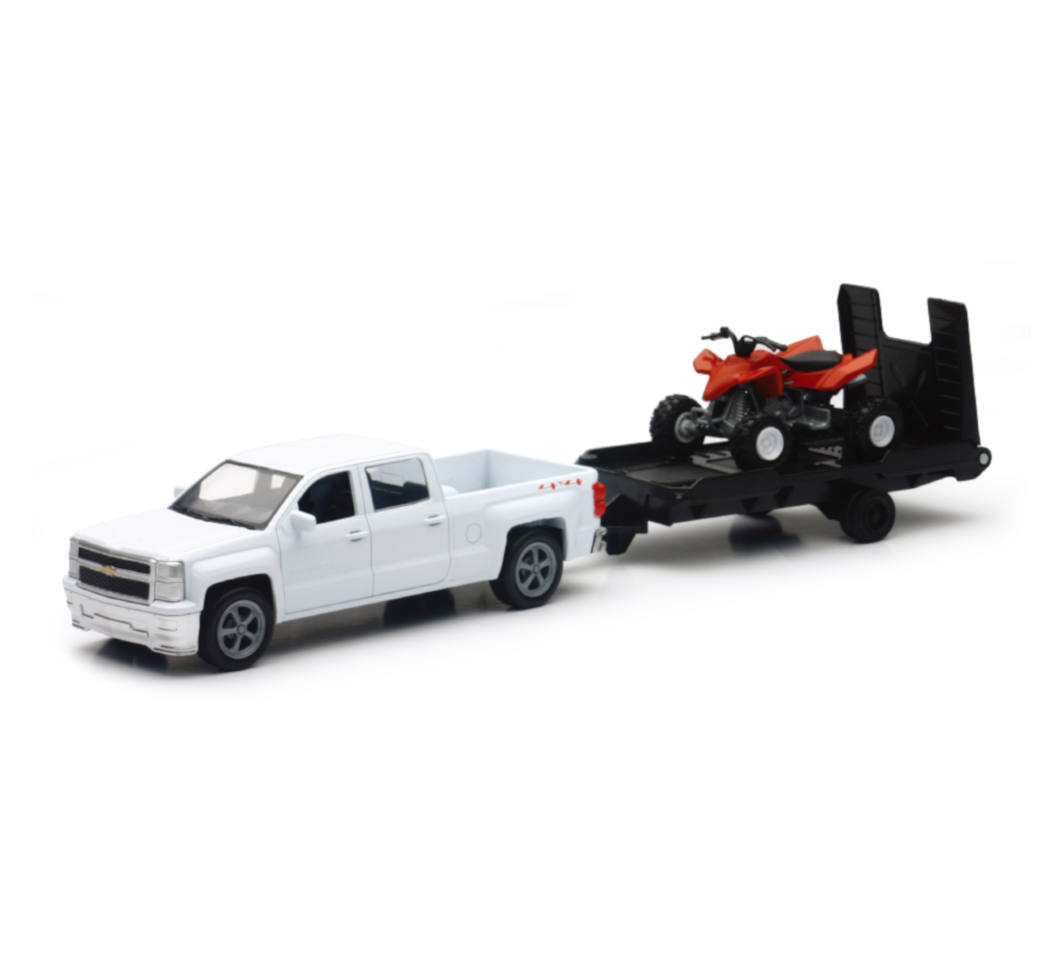
Sets need a wider evidence frame. The Silverado record includes an ATV; photographing only the truck would omit a release-defining component. Photograph inserts, accessories, certificates, and the package barcode before separating anything.
Wheels, paint, and packaging separate look-alikes
Take each wheel square-on so spoke count, rim finish, tire lettering, and axle width can be compared. Add roof and hood views for stripes, side views for sponsor placement, and a low-angle frame for ride height. Photograph blister shape, card art, assortment codes, regional labels, and price stickers rather than discarding them as visual clutter. They may separate releases that share a casting.
Do not retouch chips, yellowed glazing, bent antennas, replaced tires, or opened seals out of the record. Condition is not the same field as identity, but hiding condition destroys useful evidence. Keep an untouched archival set; make cropped sales or social images as separate copies.
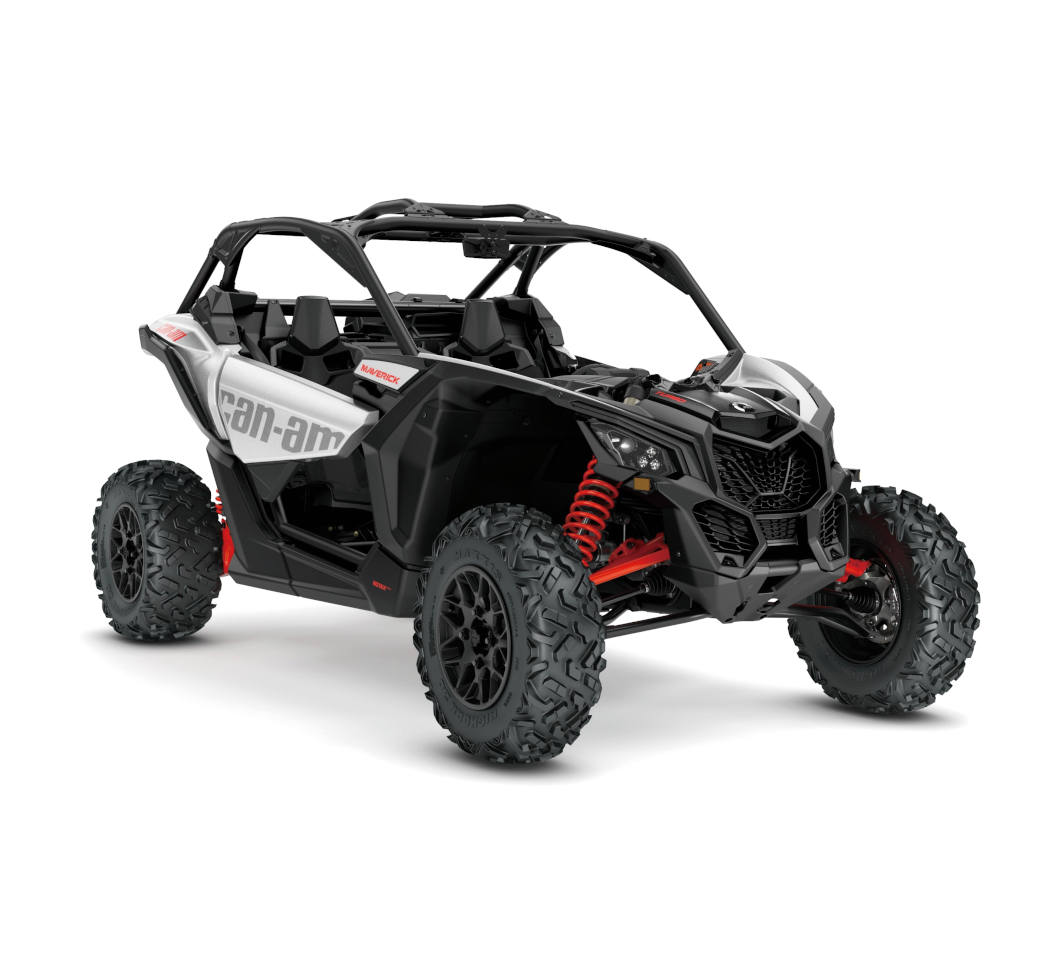
Use a color-documented model such as this Hyper Silver/Red Can-Am to check white balance and reflections. Photograph the package color name or maker source alongside the object; a camera rendering that looks “silver” does not by itself establish the manufacturer's named finish.
Make the workflow accessible
The best camera is one the collector can operate consistently. Google documents Guided Frame on supported Pixel phones: it can provide visual, spoken, and vibration cues, works with rear-camera vehicle recognition, and can trigger with volume buttons. A helper can also call out orientation while the photographer uses a tripod, tactile turntable marks, or a fixed phone stand. Review each frame at high magnification and write descriptive filenames such as 50473B-base-full instead of relying on image order.
Identification checklist
- One complete view from every side, plus roof and underside
- Base markings readable in context and closeup
- Both wheel designs, tires, interior, and opening features
- Paint, stripes, logos, numbers, and small livery differences
- Package front, back, sides, barcode, item number, and accessories
- Honest condition frames for wear, repairs, missing pieces, and seals
- A filename or collection record tying every image to one physical object
Open the verified Camaro record and compare its authorized image, scale, item number, UPC, and manufacturer source with your photograph set.
Source details, camera features, and product pages can change; verify current information at the linked sources before relying on it.
Collector questions answered
Use these concise answers with the source-backed method above; each phrase represents a distinct way collectors search for this topic.
photograph diecast model
Capture front, rear, sides, roof, base, wheels, and packaging sharply and uncropped so variations can be compared.
Sources
- New-Ray 1969 Chevrolet Camaro Z28 — accessed
- Nikon: Easy macro photography — accessed
- Google: Use accessibility features with your Camera app — accessed