
Store diecast models with less light, dust, heat, tire, paint, and handling risk while preserving identity, condition, and provenance.
To store diecast models responsibly, reduce avoidable change without pretending every miniature is made from the same materials. A model can combine painted metal, plated parts, clear and flexible plastics, rubber-like tires, adhesives, paper packaging, and decals. Support the object, limit light and dust, avoid heat and unstable contact materials, and keep its identity attached.
Store diecast models as composite objects
The Canadian Conservation Institute explains that plastics vary in how they react to oxygen, light, temperature, humidity, and pollutants. That matters because a diecast body may be metal while tires, windows, interior, mirrors, and packaging are different polymers. There is no honest universal promise that one foam, sleeve, cleaner, or display environment is safe for every model.
Start with a clean, stable shelf or box that supports the model without bending mirrors, antennas, doors, or axles. Do not let tires or painted surfaces rest against unknown soft plastic, foam, vinyl, adhesive, or another model. Use inert, non-stick separation when contact cannot be avoided and inspect it periodically for tackiness, staining, imprinting, or odor.
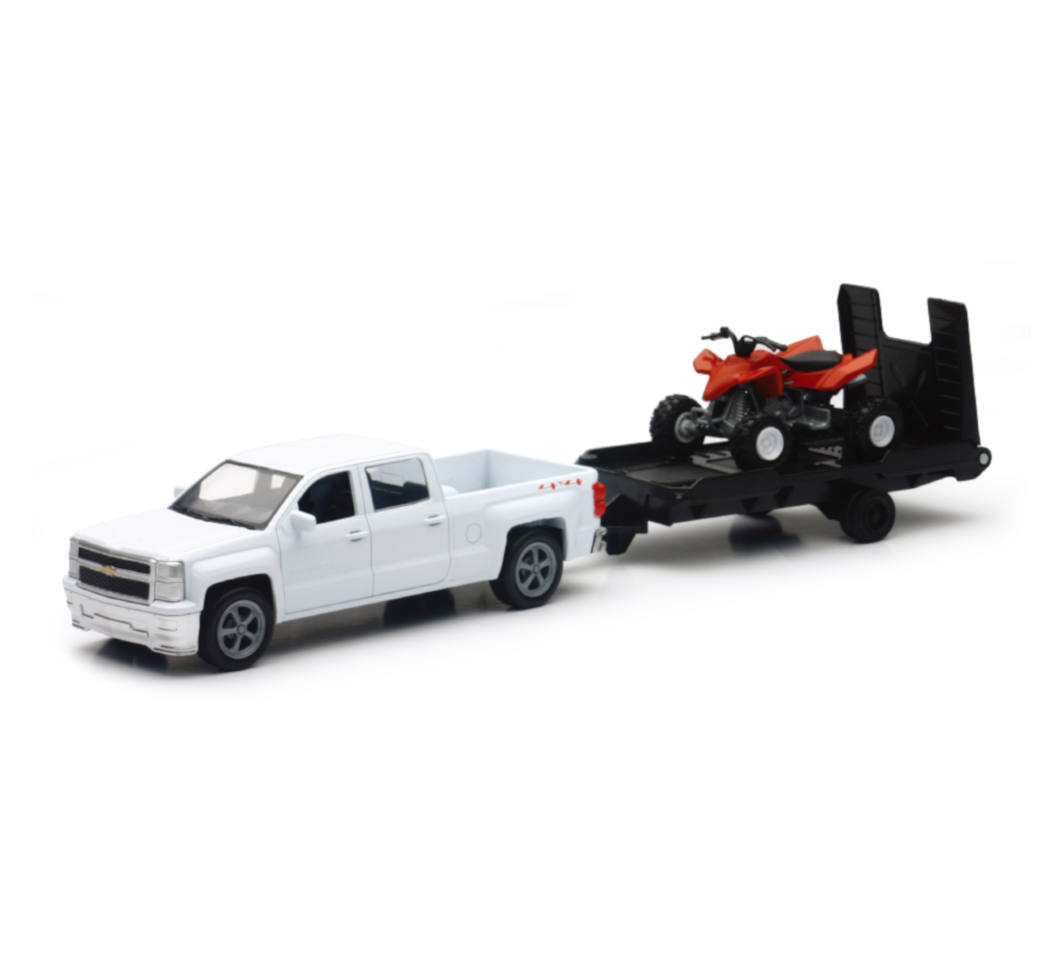
New-Ray documents this Silverado set as 1:43 scale, item 19535B, UPC 093577195354, with an ATV. Store and inventory the truck, ATV, packaging, and inserts as one release. Separating the accessory without a record turns a complete set into two unidentified objects.
Control light before buying elaborate cases
The Library of Congress describes light damage as cumulative and irreversible. The Canadian Conservation Institute specifically warns that light and ultraviolet exposure can discolor, embrittle, crack, or weaken plastics. Keep collections out of direct sunlight, avoid hot display lights, and use the minimum useful display illumination. Rotating a few models through a display is safer than permanently exposing the whole collection.
UV-filtering glazing can reduce ultraviolet exposure, but it does not make unlimited visible light harmless. Watch for heat buildup inside enclosed cases. A beautiful sealed cabinet beside a sunny window can create more risk than a simple shaded shelf.
Dust control should not become aggressive cleaning
Enclosures reduce dust and handling, but they should not trap visible emissions or place sticky plastics against other surfaces. Inspect rather than seal and forget. If dust removal is necessary, support fragile parts and use a clean, soft brush or low-suction method appropriate to the material. The CCI cautions against casual use of solvents, bleach, detergents, waxes, and erasers on plastics. Test nothing on a collectible merely because it is marketed as safe for household plastic.
Keep food, smoke, aerosol cleaners, fragrances, and workshop chemicals away from storage. Record any new odor, oily bloom, tacky tire, fogged glazing, warped part, or color transfer so nearby models can be separated before damage spreads.
Preserve packaging without pressing it against the model
Original packaging can document manufacturer, item number, UPC, series, region, accessories, and warnings. Store clean boxes and cards with the model record even when the model is displayed loose. Avoid forcing opening parts or antennas into a deformed insert. Do not use pressure-sensitive tape on original packaging; use a separate labeled enclosure instead.
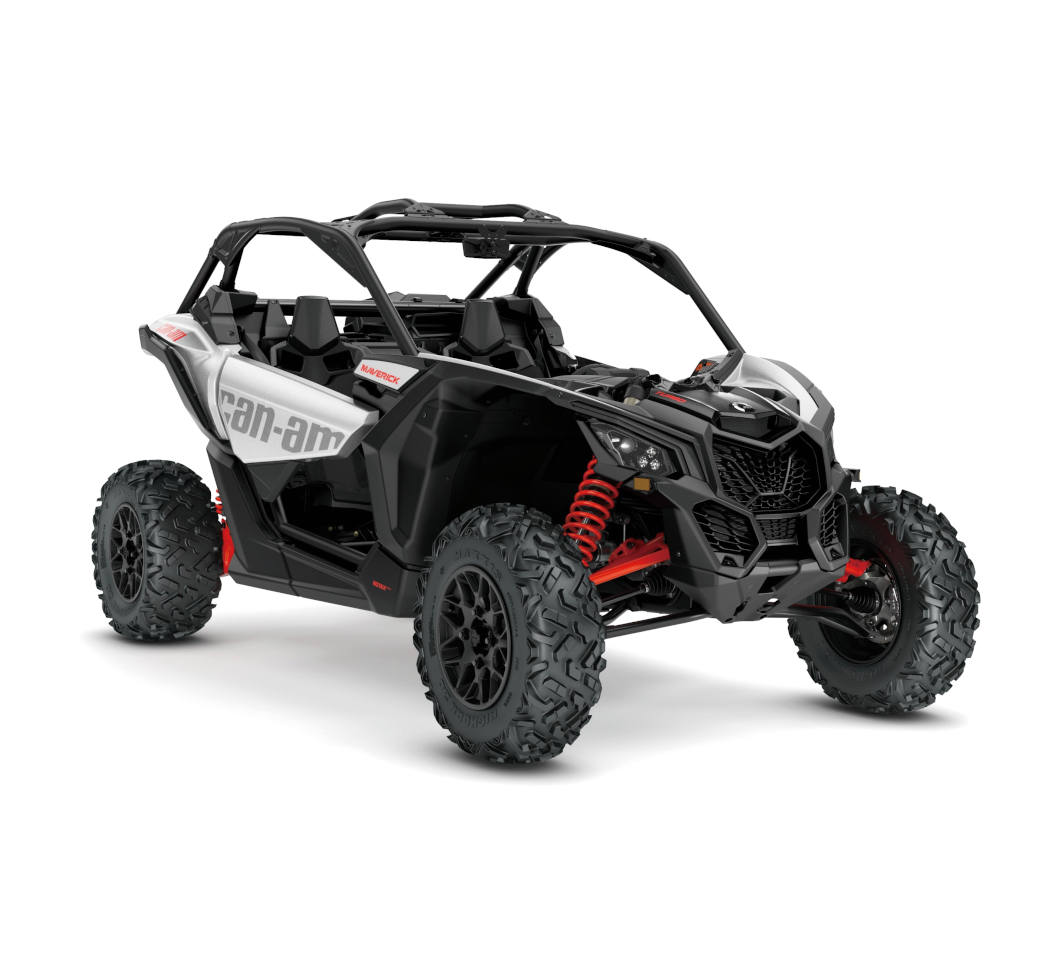
The Can-Am record shows how a color name and item number belong together: 1:18 scale, Hyper Silver/Red, item 58193A, UPC 093577581935. A collection tracker should preserve those fields so a loose model remains distinguishable from another color or release.
Build a diecast collection tracker before value claims
Record one row per physical collectible, not merely one row per vehicle name. Useful fields include:
- maker, item or casting number, UPC, series, and scale
- represented vehicle year versus verified diecast release year
- color, livery, wheels, finish, edition or serial when sourced
- loose, boxed, sealed, complete, or missing-accessory status
- acquisition date, cost, seller, and source link
- storage location and a current photo set
- condition notes with dates rather than a single vague grade
- manufacturer, catalog, package, and sold-comparable evidence
A diecast car value guide is only useful when it compares the exact release, condition, completeness, packaging, date, currency, and sold evidence. Asking prices do not establish value. “Rare,” “limited,” and “vintage” are claims to document: preserve edition numbers, certificates, dated catalogs, production evidence, and provenance rather than relying on seller language.
Inspect on a schedule
Check display and storage areas for direct sun, heat sources, water risk, pests, dust, and unstable shelving. Then inspect a sample of models for tire marks, paint transfer, tackiness, corrosion, fading, fogging, cracked plastic, and package distortion. Photograph changes and move an affected model away from its neighbors. If a valuable or actively deteriorating piece needs treatment, consult a qualified conservator rather than experimenting.
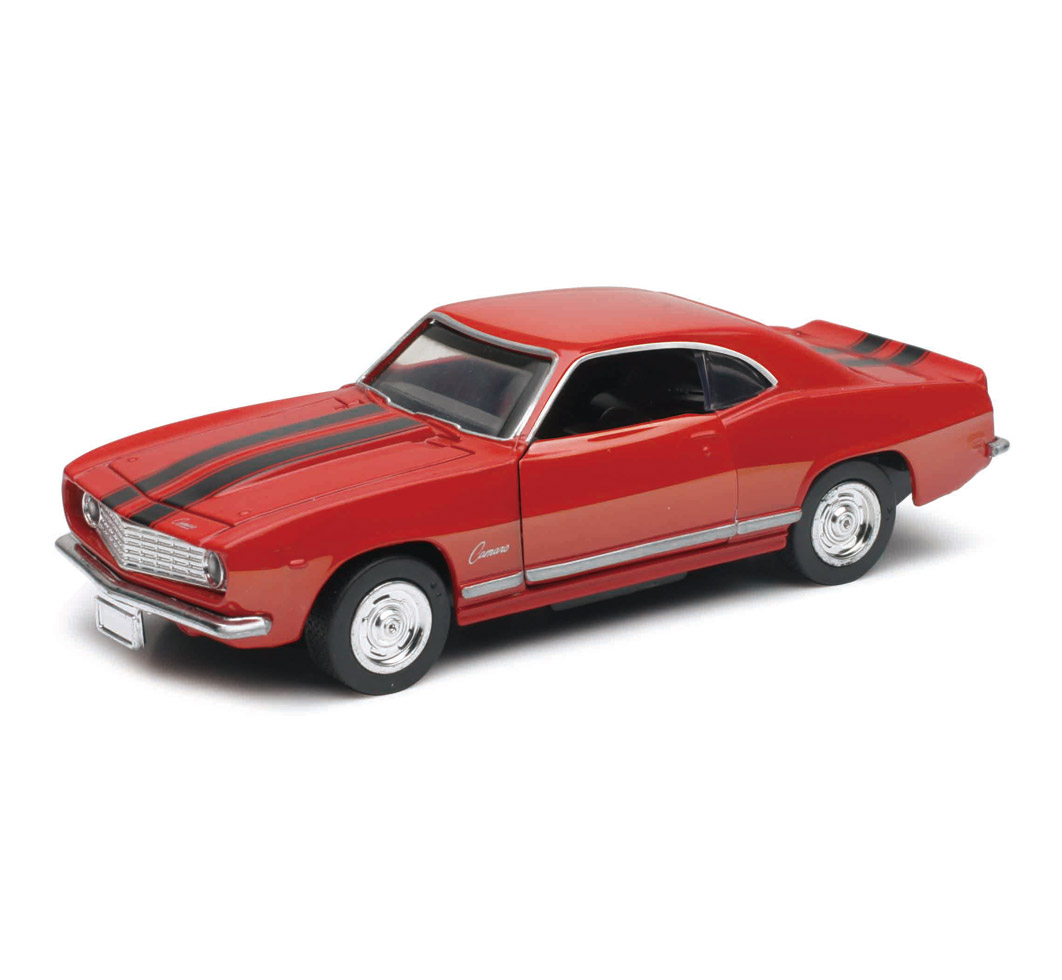
For a packaged model, record both the object and the packaging condition. Card curl, cracked blister, fading, sticker residue, or a separated insert belongs in dated condition notes rather than being hidden behind a single grade.
A practical display plan
- Put stable, level shelving away from direct sunlight, vents, radiators, and water.
- Leave clearance around mirrors, antennas, doors, and adjacent paint.
- Use dust protection that can be opened and inspected.
- Keep hot lamps outside the case and minimize exposure time.
- Store packages and removable parts in labeled, supportive enclosures.
- Tie every shelf location to the collection tracker.
- Re-photograph condition after any move, loan, cleaning, or damage.
Open the Silverado record and use its maker, scale, item number, UPC, components, source, and authorized image as a template for your own inventory.
Conservation guidance, materials, and product specifications can change; verify current information at the linked sources before relying on it.
Collector questions answered
Use these concise answers with the source-backed method above; each phrase represents a distinct way collectors search for this topic.
store diecast models
Use stable shelving or acid-free storage, limit dust and sunlight, and avoid materials that react with paint or tires.
diecast car value guide
Value depends on exact release, condition, completeness, packaging, and dated sold comparables—not asking prices alone.
rare diecast cars
Rarity needs documented production or sustained market evidence; age or seller language does not prove it.
collectible diecast cars
Collector interest follows documented identity, subject, maker, series, condition, provenance, and variations.
limited edition diecast cars
Record edition size, certificate or serial, region, and source; 'limited' without a number is incomplete evidence.
vintage diecast model cars
Preserve base marks, wear, original parts, packaging, and dated evidence rather than over-restoring clues.
model car collecting guide
Choose a focus, document exact releases, budget for storage, and buy listings with clear identifiers and condition.
diecast collection tracker
Track maker, item number, vehicle, scale, color, condition, packaging, cost, images, and sources separately.